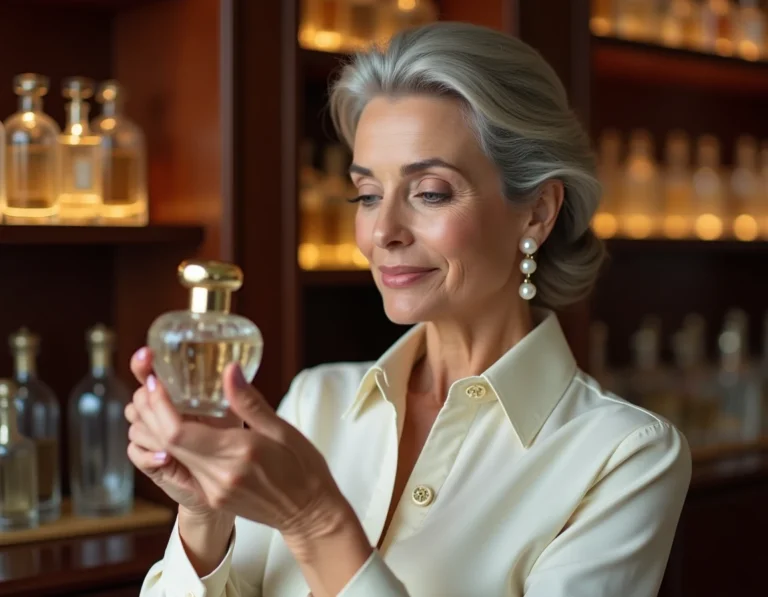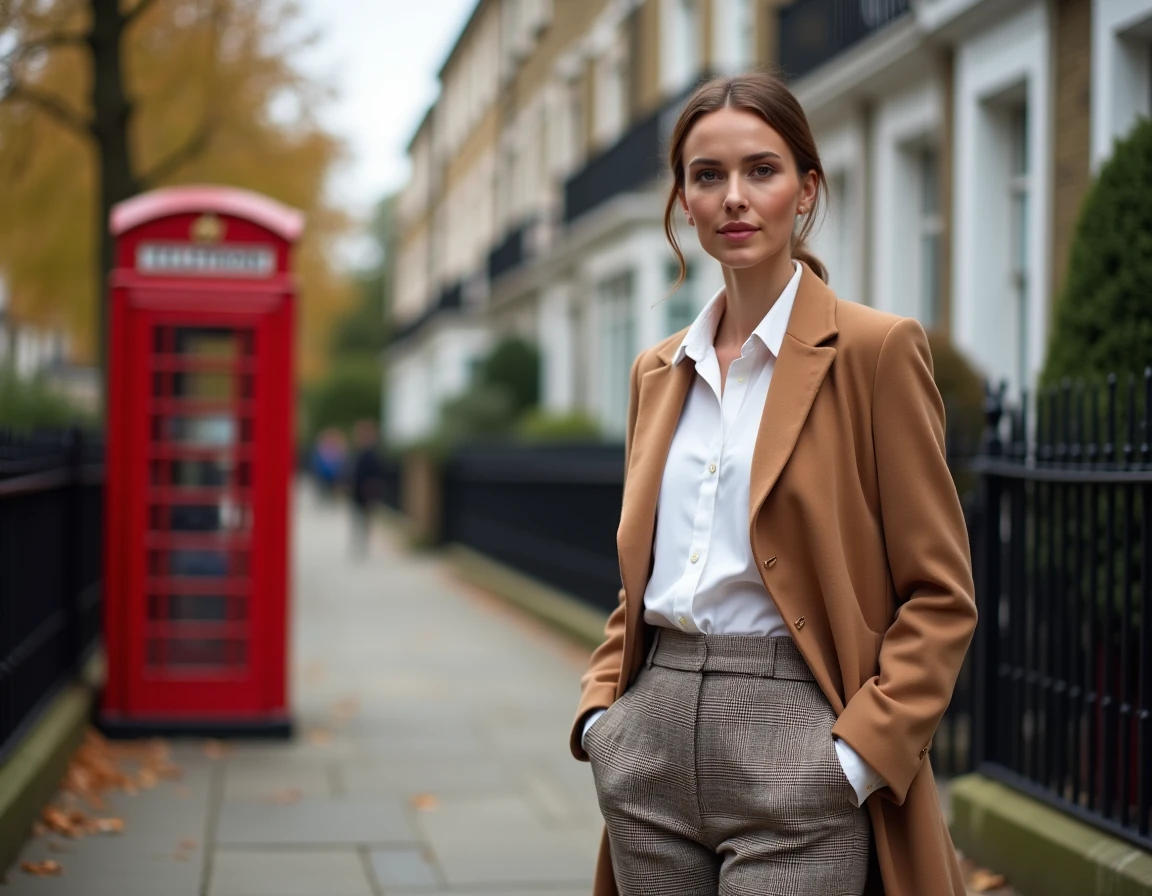
The British wardrobe suffers from a persistent misunderstanding: many still associate it with full tweed, rubber boots, and an exclusively autumnal palette. The codes that truly work in contemporary British fashion borrow from Savile Row tailoring, the minimalism of brands like Margaret Howell, and the streetwear hybridization represented by labels such as Wales Bonner or Palace Skateboards. Understanding this distinction avoids the trap of country-style disguise.
Heritage tailoring and gender-neutral wardrobe: the true lever of elegance
The structured silhouette remains the most reliable marker of current British style. We are seeing a clear return of structured-shoulder jackets, cinched waists, and wide lapels, directly inherited from menswear and then adapted to mixed cuts. This is not a nostalgic revival: it is a response to the saturation of oversized silhouettes worn in recent seasons.
The double-breasted blazer, worn over pleated wool trousers, embodies this trend better than any other piece. The fabric is as important as the cut: a wool twill that is dense enough to hold its structure without a full lining allows the jacket to be worn from spring to autumn. The finishes (functional buttonhole on the sleeve, piped pockets) distinguish a thoughtfully designed piece from a decorative one.
Several online retailers specialize in making these pieces accessible without going through London bespoke. Notably, britishandco.com offers a selection that reflects this heritage approach adapted for everyday use.
British color palette: moving beyond the hunter green and burgundy cliché
Neutral and earthy tones form the true foundation of elegant British style. Camel, sand, light khaki, tobacco brown: these colors allow for the construction of understated outfits without falling into monotony. They work well in layers, which aligns with the layering logic suited to the British climate.
Bottle green and burgundy do not disappear, but they migrate to accessories (scarves, ties, bags) rather than dominating the outfit. A common mistake is to saturate a look with “English” colors: tartan, forest green, and brick red worn simultaneously create a costume effect that undermines any urban credibility.
Combining neutrals without uniformity
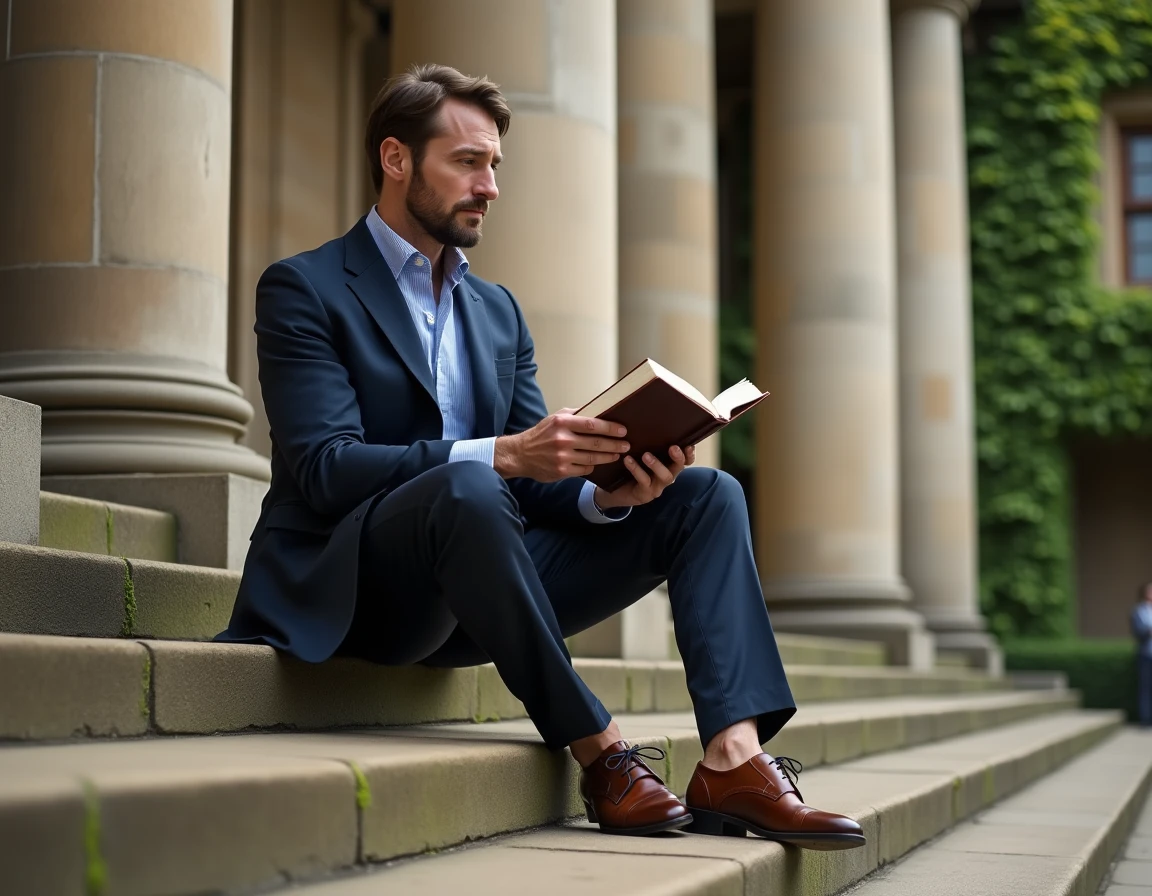
We recommend working with blocks of two close tones, separated by a lighter or darker piece. Camel trousers, a sand sweater, and a dark brown overcoat create a coherent column. A tawny leather accessory or a pair of cognac derbies is enough to anchor the British style without overemphasizing it.
- Base: camel, sand, flannel gray, off-white, for structured pieces (trousers, skirts, jackets)
- Accent: khaki, navy blue, deep burgundy, reserved for a single piece per outfit or for accessories
- Preferred materials: wool, cashmere, brushed cotton, full-grain leather, which hold these shades better than synthetics
Materials and construction: what separates sustainable British style from the country cliché
Harris tweed remains a textile reference, but its use has changed. A tweed worn as a lightweight jacket or accessory works; a total tweed look is more akin to a movie costume. Current British designers use it as an accent, often mixed with smooth materials (gabardine, poplin) to create a contrast of textures.
The real technical playground lies in fine woolens. A worsted wool fabric, lightweight flannel, or merino wool jersey allows for sharp silhouettes, wearable in both professional and casual contexts. These materials age better than synthetic blends and wrinkle less than linen.

Leather and accessories: the finishes that matter
Leather accessories are a discreet yet effective marker. A vegetable-tanned leather, aged over time, is preferable to shiny new leather. Belts, bags, gloves, watch straps: these details signal an attention to the wardrobe that goes beyond seasonal trends.
Shoes deserve special mention. Goodyear-soled derbies, calf Chelsea boots, and buckle loafers remain the three pillars of British style on the feet. They can be worn with both jeans and suit trousers, making them consistent investments over multiple seasons.
British streetwear fashion: the hybridization that redefines elegance
Reducing British style to the sartorial realm would ignore half of its current vitality. Brands like Fred Perry, Palace Skateboards, or Wales Bonner have built an aesthetic that blends sportswear references, musical culture, and tailored cuts. This hybridization between sartorial tradition and urban culture produces elegant looks without rigidity.
The Fred Perry polo worn under an unlined blazer, fine cotton cargo trousers paired with loafers, a technical wool bomber over an Oxford shirt: these combinations reflect a vibrant British style, rooted in everyday use rather than historical reenactment.
- Transitional pieces: knitted polo, wool bomber, structured sweatshirt, grain leather sneakers
- Balance rule: only one streetwear piece per outfit, the rest in classic style
- Trap to avoid: accumulating logos or graphic pieces, which tips into pure sportswear
British fashion draws its longevity from this ability to absorb its own subcultures without renouncing its textile fundamentals. Adopting this style is less about buying iconic pieces than about understanding the logic of constructing an outfit: noble materials, fitted cuts without excess, subdued colors, and one or two details that assert a personality without caricaturing it.