
Enhancing and arranging a home without undertaking major renovations relies on measurable choices: visual impact by room, budget spent, time to implement. Rather than listing generic tips, this article compares the interior design levers based on their effort-to-result ratio, using the planning tools available today.
3D Planning and AI Tools to Arrange Your Home Before Buying
The first source of error when wanting to beautify your interior remains impulsive buying: a piece of furniture that is too large, a color that clashes with natural light, an awkward layout. Online accessible 3D planning applications (Homestyler, Home Planner, integrated tools from major retailers) change the game for individuals.
Since 2023-2024, several of these applications allow you to virtually reconfigure a room from a simple photo. AI generates layout proposals in different decor styles, without construction or immediate purchase. Homestyler, for example, offers automatic color palettes and layout suggestions tailored to the actual constraints of the room: area, openings, existing furniture.
The concrete benefit of these tools lies in the reduction of purchase errors and returns. Testing furniture configurations, colors, and lighting in just a few minutes allows you to validate a design project before spending a single euro. To identify professionals or additional resources, you can access the home page of Maxi Bottin and browse the categories related to housing.
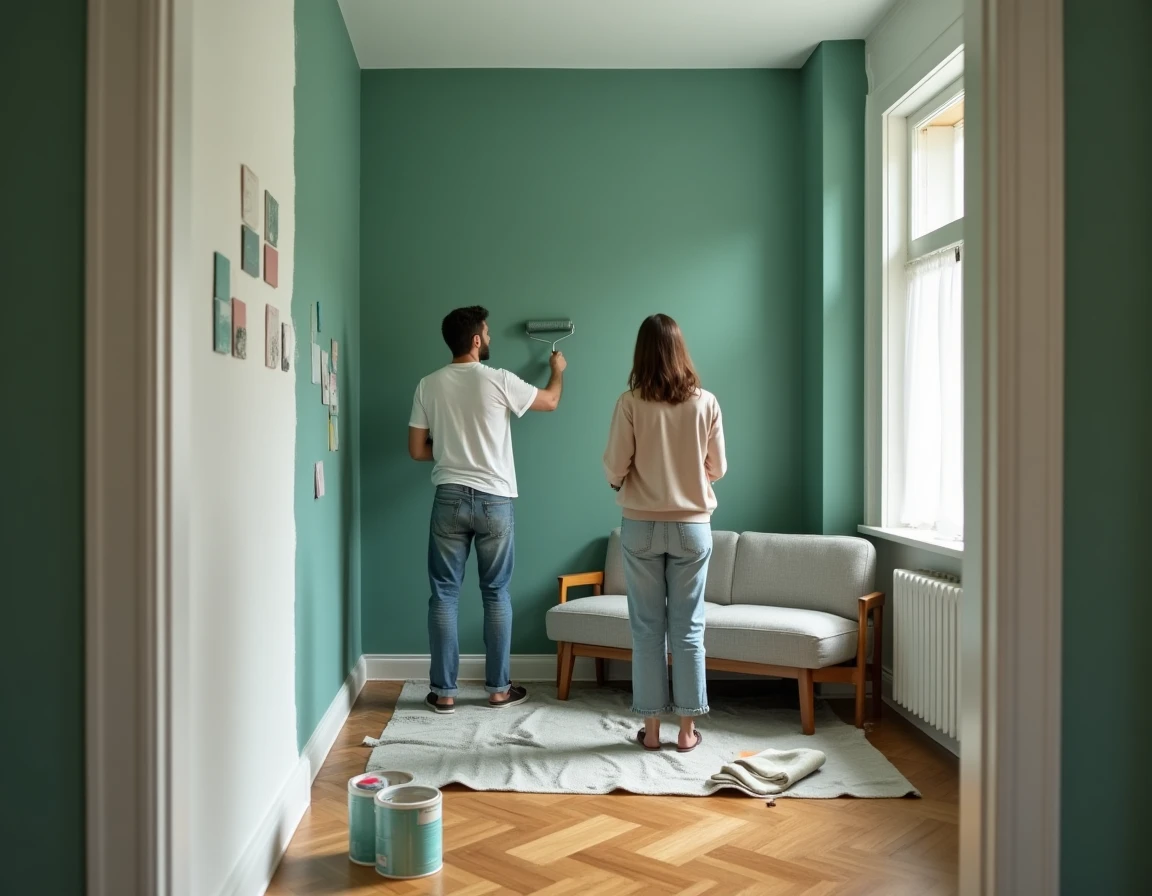
Comparison of Interior Decoration Levers by Room
Not all interventions are equal depending on the room in question. The table below compares the main enhancement levers, their optimal impact area, and the level of effort required.
| Design Lever | Most Impacted Rooms | Effort / Complexity | Visual Result |
|---|---|---|---|
| Repaint an accent wall | Living room, bedroom | Low | High |
| Change the lighting (type and position) | Kitchen, living room, bathroom | Low to medium | High |
| Rearrange existing furniture | Living room, bedroom, office | Very low | Medium to high |
| Replace textiles (curtains, cushions, rugs) | Living room, bedroom | Low | Medium |
| Add wall storage | Kitchen, bathroom, entryway | Medium | Medium |
| Install a large mirror | Entryway, hallway, dark room | Low | Medium to high |
The conclusion that emerges: lighting and wall color offer the best effort-to-result ratio, across all rooms. Rearranging furniture costs nothing, but its impact heavily depends on the available space.
Kitchen and Bathroom: The Often Neglected Technical Rooms
The kitchen and bathroom have specific constraints (humidity, splashes, functional lighting). Changing a peel-and-stick backsplash or replacing cabinet handles alters the perception of space without heavy intervention. However, these rooms benefit less from simple furniture rearrangement, as their layout is often dictated by plumbing and electricity.
Choosing Colors and Lighting: The Two Variables That Transform a Space
The AI tools mentioned above converge on one point: color and light are the two parameters that most alter the perception of an interior. But the choice of one conditions the other.
A wall painted in a dark tone (navy blue, forest green, dark terracotta) absorbs light. Without appropriate lighting, the room appears smaller. Conversely, a light wall combined with cool lighting gives a clinical effect. The coherence between the color temperature of bulbs and wall hue remains the most underestimated factor in decoration projects carried out without guidance.
Some concrete principles to apply:
- In a north-facing room, favor warm tones (ochre, sand, powder pink) and lighting between 2700 K and 3000 K to compensate for the lack of natural light.
- In a well-lit traversing living room, a dark accent wall works because natural light compensates for absorption.
- In the kitchen, under-cabinet lighting (neutral white LED) radically changes usability comfort without structural modification.
- In the bathroom, a backlit mirror advantageously replaces a single ceiling light that creates shadows on the face.
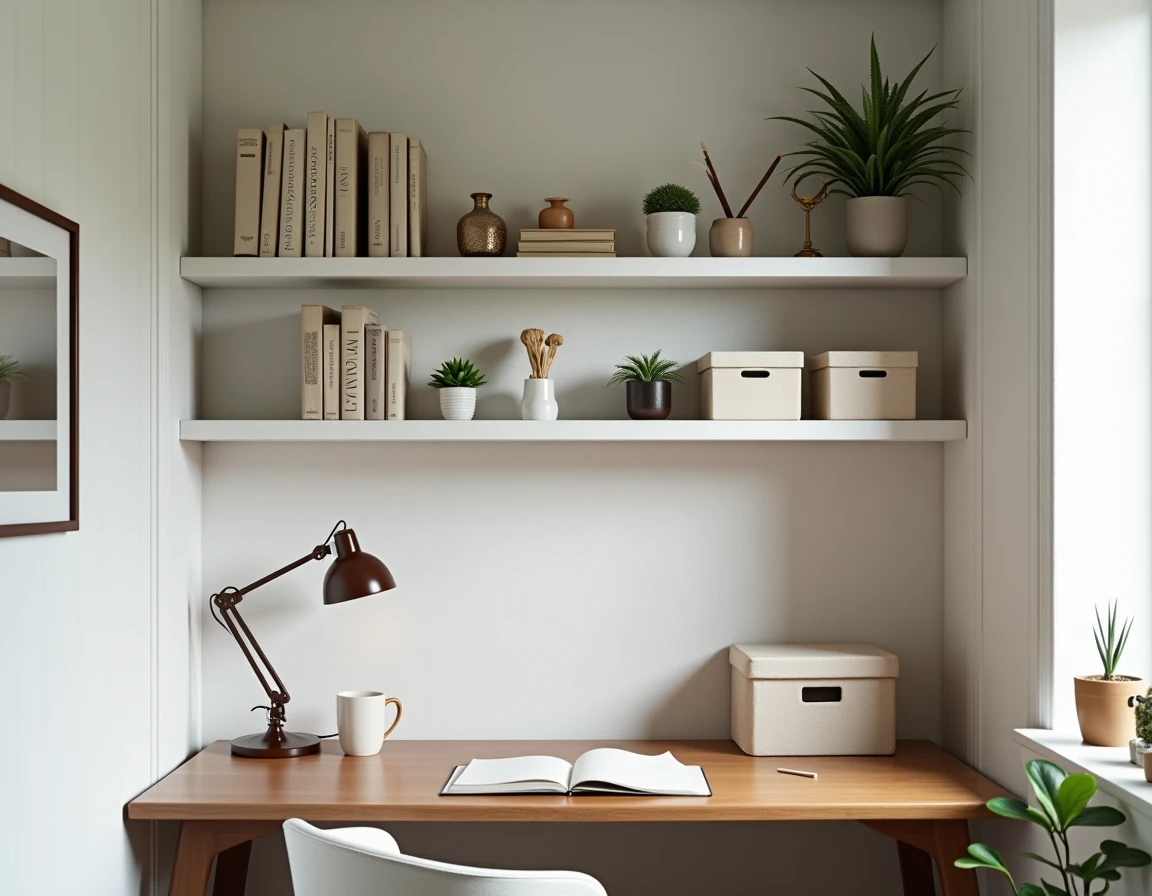
Living Room Arrangement: Rearranging Before Buying New
The living room is the space where rearranging without purchasing yields the most visible results. Most default configurations (sofa against the wall, centered coffee table, TV unit opposite) do not take advantage of the actual space.
Shifting a sofa a few dozen centimeters toward the center of the room creates a circulation area behind and gives an impression of depth. Positioning seating in an L-shape rather than face-to-face promotes conviviality without adding furniture.
Textiles and Accessories: The Complementary Lever
A suitably sized rug (that extends under the front feet of the sofa, not just placed in front) visually anchors the living space. Cushions and curtains allow for introducing a splash of color without permanent commitment. These are reversible changes, making them a low-risk experimentation ground.
Arranging a home always benefits from being tested before execution. Free accessible 3D visualization tools reduce approximations, and the most effective levers (lighting, color, layout) are also those that require the least budget. Three well-calibrated modifications are better than a dozen scattered changes.