Leisure, in the strict sense, refers to any activity freely chosen outside of constrained time (work, domestic obligations, commuting). This simple definition conceals a more nuanced reality: the ability of a leisure activity to produce a mental break depends less on its duration than on its level of cognitive or physical engagement. Understanding this mechanism allows for the selection of activities that genuinely restore energy, rather than merely filling a time slot by default.
Restorative micro-leisures: short breaks that change the day
Recent surveys on time usage, particularly those from CRÉDOC and France Stratégie (reports 2023-2024), document a burgeoning phenomenon: micro-leisures of 10 to 20 minutes integrated between two work tasks. A short walk without a goal, reading a few pages, guided meditation, or a micro-nap, these breaks are perceived as more effective for reducing daily stress than longer leisure activities practiced in the evening.
The mechanism is simple. A brief but intentional activity creates an attention break. The brain shifts from “problem-solving” mode to a sensory or contemplative register. This shift, even if brief, is enough to reduce accumulated tension.
For the micro-break to work, it must remain distinct from passive scrolling on a phone. The difference lies in the intention: choosing to step out for a five-minute walk or to open a book to a specific page implies an active gesture. It is this gesture that separates leisure from mere filling. Exploring other avenues of leisure on Les Marches du Pouvoir allows for the identification of formats suitable for these short time slots.
Guided online creative leisure: the new hybrid sociability
Since 2023, creative course platforms (Domestika, Skillshare, OpenClassrooms) have seen significant growth in guided workshops: drawing, writing, sewing, musical initiation. The common point of these formats lies in their structured social component. Participants gather on Discord or Zoom communities at fixed times, transforming a solitary activity into a collective appointment.
This hybrid model (individual learning + regular group exchanges) presents a concrete advantage for individuals who are geographically isolated or have irregular schedules. It removes the constraint of travel while maintaining a social framework. Some occupational health services in France are now incorporating these formats into their burnout prevention programs.
Choosing a workshop suited to one’s daily life
The classic pitfall is signing up for a course that is too ambitious, then dropping out after two weeks. An effective workshop as a regular leisure activity meets three criteria:
- A session does not exceed 30 to 45 minutes, compatible with a weekday evening
- The necessary materials remain accessible (notebook, pencils, entry-level instrument) without heavy investment
- The associated community offers at least one weekly meeting to maintain regularity
A creative leisure activity maintained over time is better than an abandoned intensive course. Slow, visible progress week after week fuels motivation much more than occasional spectacular results.
Nature outings and leisure physical activity: a recognized lever for mental health
The “Mental Health and Psychiatry” plan announced by the French government in 2023-2024 explicitly mentions leisure physical activities, nature outings, and regular cultural participation as levers for preventing anxiety and depressive disorders. Local authorities are encouraged to subsidize local programs in this logic.
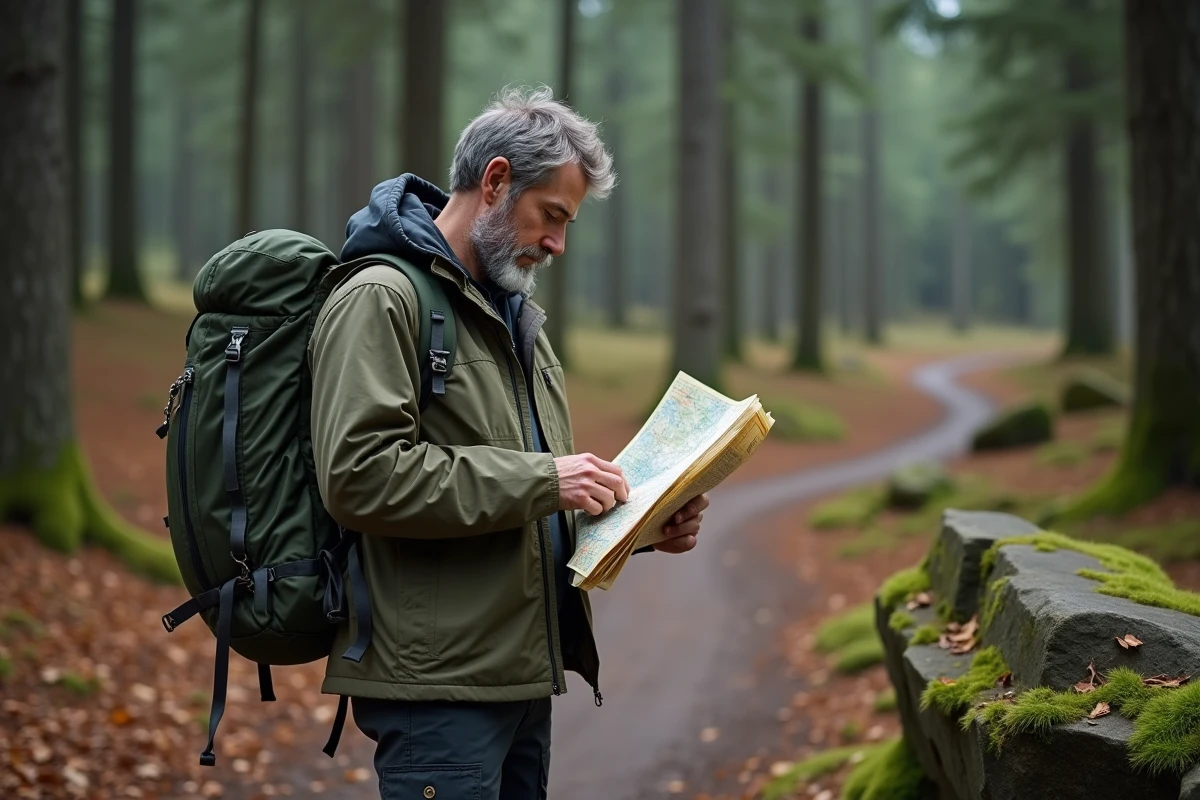
In practical terms, a nature outing does not require any particular skills or expensive equipment. Hiking remains the most accessible outdoor activity in France, with a dense network of marked trails across almost the entire territory. Adding a playful dimension (geocaching, treasure hunts, species observation) transforms a simple walk into an engaging experience for a family or group of friends.
Outdoor games: beyond the ball
Outdoor games are experiencing a resurgence of interest that goes beyond classic football or badminton. Outdoor party games designed for four players or more allow for animating a garden or park without heavy preparation. Among the formats that work well with family or friends:
- Throwing games (mölkky, pétanque, cornhole) that mix skill and conviviality without intense physical effort
- Treasure hunts or outdoor investigations, adaptable to any urban or rural environment
- Simplified orienteering courses, achievable with a smartphone and a free app
These formats share a common trait: they create interaction without requiring any particular physical condition, making them inclusive for mixed-age groups.
Board games and puzzles: indoor leisure with high cognitive engagement
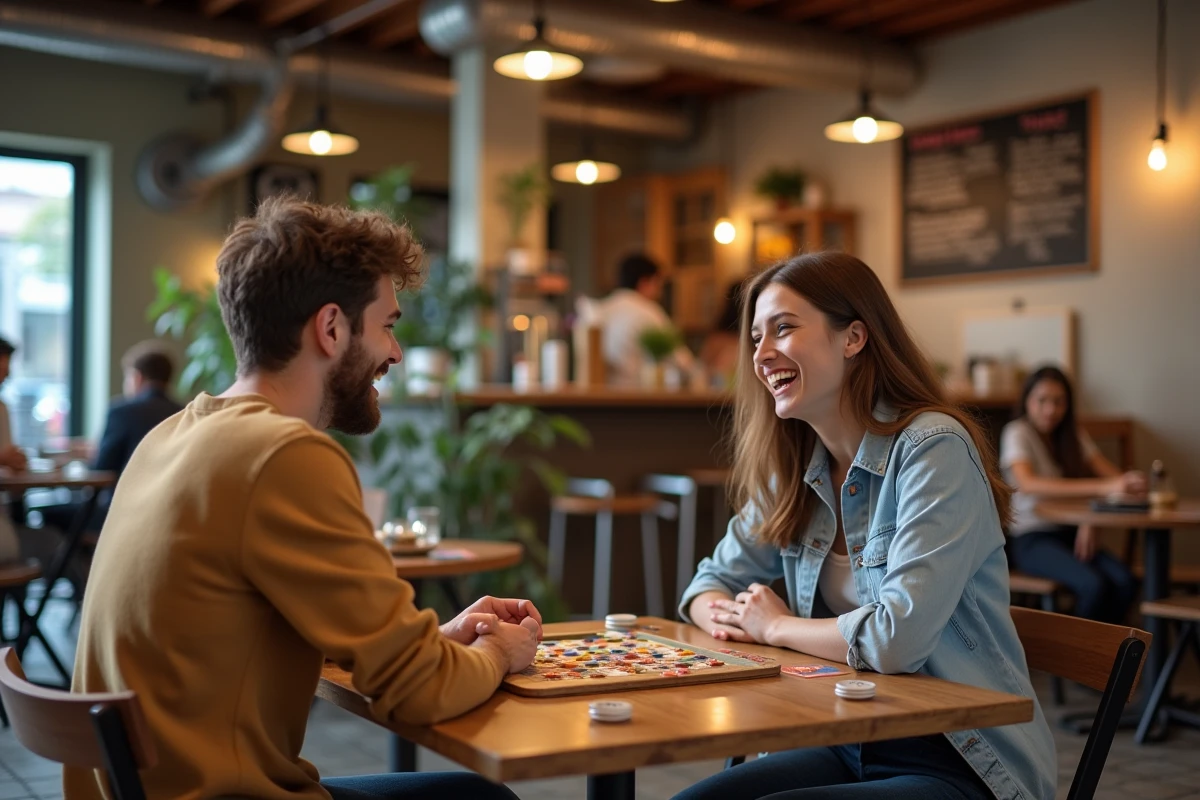
The board game market in France remains dynamic, driven by a significantly diversified offering. Cooperative games, narrative games, and complex puzzles occupy a distinct niche from passive entertainment (screens, streaming). Their uniqueness: they mobilize attention in a voluntary and sustained manner, producing a mental break effect comparable to that of physical activity.
A puzzle of several hundred pieces, spread out on a table for a few days, functions as a micro-home project. Each session of 15 to 30 minutes brings visible progress. The same principle applies to board games played in a series (multiple games linked by a story), which retain a group over several weeks.
For families with children, board games provide a neutral ground where authority dynamics temporarily fade. The rules of the game replace the rules of daily life, altering relational dynamics for the duration of a game.
The distinction between leisure endured and leisure chosen remains the determining criterion. An activity practiced out of habit or by default (zapping between series, scrolling through a news feed) does not produce the same effect as an activity selected for its engagement power. Adapting one’s leisure activities to available time slots, whether it’s ten minutes between two meetings or a full afternoon on the weekend, remains the only approach that holds up over time.