CBD has found a legal place on French shelves, but consumers quickly face a puzzle: the 0.3% THC rule set by law does not prevent the arrival of foreign products with sometimes vague compositions. As a result, buying CBD in France often involves navigating a path filled with gray areas.
Oils, capsules, infusions, cosmetics… The variations of CBD are popping up everywhere, driven by promises of well-being that are not truly guaranteed. Despite the tightening of controls, discrepancies between regulations and what is actually found in stores persist. In the face of this abundance, consumer choice is surrounded by uncertainties and traps to avoid.
CBD in France in 2025: What You Really Need to Know
The CBD market in France leaves nothing to chance. The law strictly regulates THC content: never more than 0.3% in the finished product. This limit, dictated at the European level, draws a clear line between what is permitted and what is not, whether we are talking about oil, infusion, or cosmetics. However, in practice, labeling and traceability sometimes leave much to be desired. Many are looking for benchmarks in the flood of references and slogans displayed by brands.
Unlike other substances derived from cannabis, CBD is not classified as a narcotic. It is not purchased on prescription and remains accessible outside of pharmacies. With the growth of online commerce, the appeal of digital platforms is increasing, as shown by the rise of specialized sites such as buying CBD. Before filling your cart, it is wise to check the compliance of the store and ensure that each product has undergone independent analysis, a guarantee of the absence of prohibited THC.
Research on the effects of CBD is advancing, but uncertainty remains. While some studies suggest a positive effect on anxiety, sleep, or recovery, CBD does not alter consciousness: it does not modify the endocannabinoid system like THC does. Authorities remain clear: no therapeutic claims are recognized. Navigating between marketing and science requires clarity: understanding what the mention “CBD products available on the French market” truly entails requires active vigilance.
What CBD Products Can Be Found on the French Market and Who Are They For?
A Diversity of Forms, Uses, and Users
On the shelves, CBD comes in several major families, each addressing specific needs.
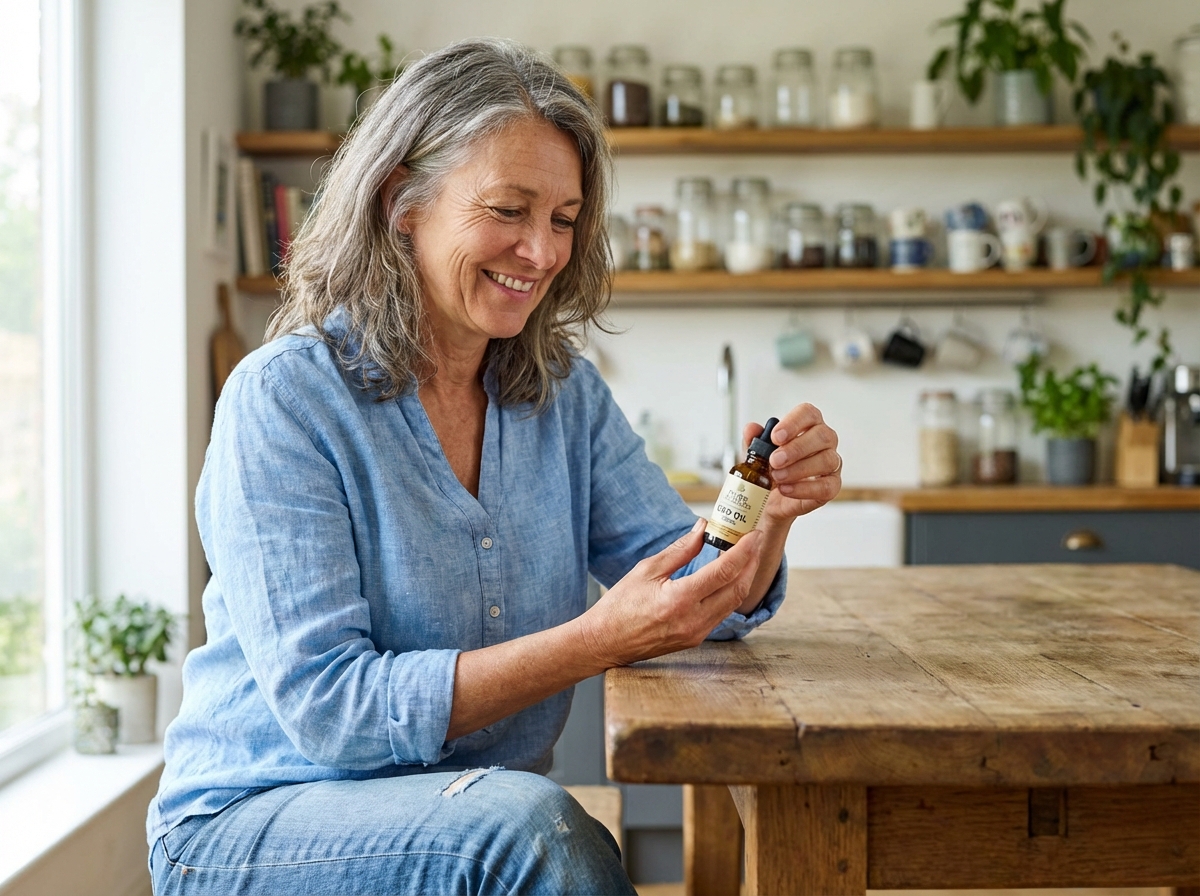
- CBD oils stand out for their controlled dosage, ease of use, and the ability to adjust taste and concentration according to the desired goal.
- Infusions, capsules, creams, and balms multiply options, with uses ranging from relaxation to skin soothing or muscle relief.
- We also see formulas combining CBD, CBG, CBN, or melatonin: a choice for those targeting sleep or recovery after exertion.
User profiles are varied: adults seeking to relieve stress, athletes concerned about recovery, individuals exposed to moderate anxiety, but also pet owners thanks to specific variations. The question of quality and safety remains central: some prefer to consult a health professional before integrating CBD into their routine, especially to avoid potential interactions. While tolerance is generally good, caution is never superfluous.
Practical Tips for Choosing a CBD Product Suitable for Your Needs and Regulations
Verification and Transparency: The Essential Certificate of Analysis
To avoid any unpleasant surprises, the certificate of analysis should become a reflex. This document, issued by an independent laboratory, details:
- the exact content of CBD,
- the level of THC,
- and the possible presence of undesirable residues (solvents, pesticides, heavy metals).
The THC content must remain below the legal threshold. If no certificate is found, it is better to pass on.
- Favor products derived from hemp grown in Europe, whose origin and traceability are guaranteed.
- Observe the extraction method displayed on the label: supercritical CO₂ extraction or ethanol extraction, two processes recognized for preserving cannabinoids and limiting impurities.
The choice between full spectrum and broad spectrum is not trivial. The former retains all active components, including a tiny trace of THC; the latter excludes THC while preserving the synergy of other molecules. Depending on individual sensitivity or if a drug test is required, the decision makes all the difference.
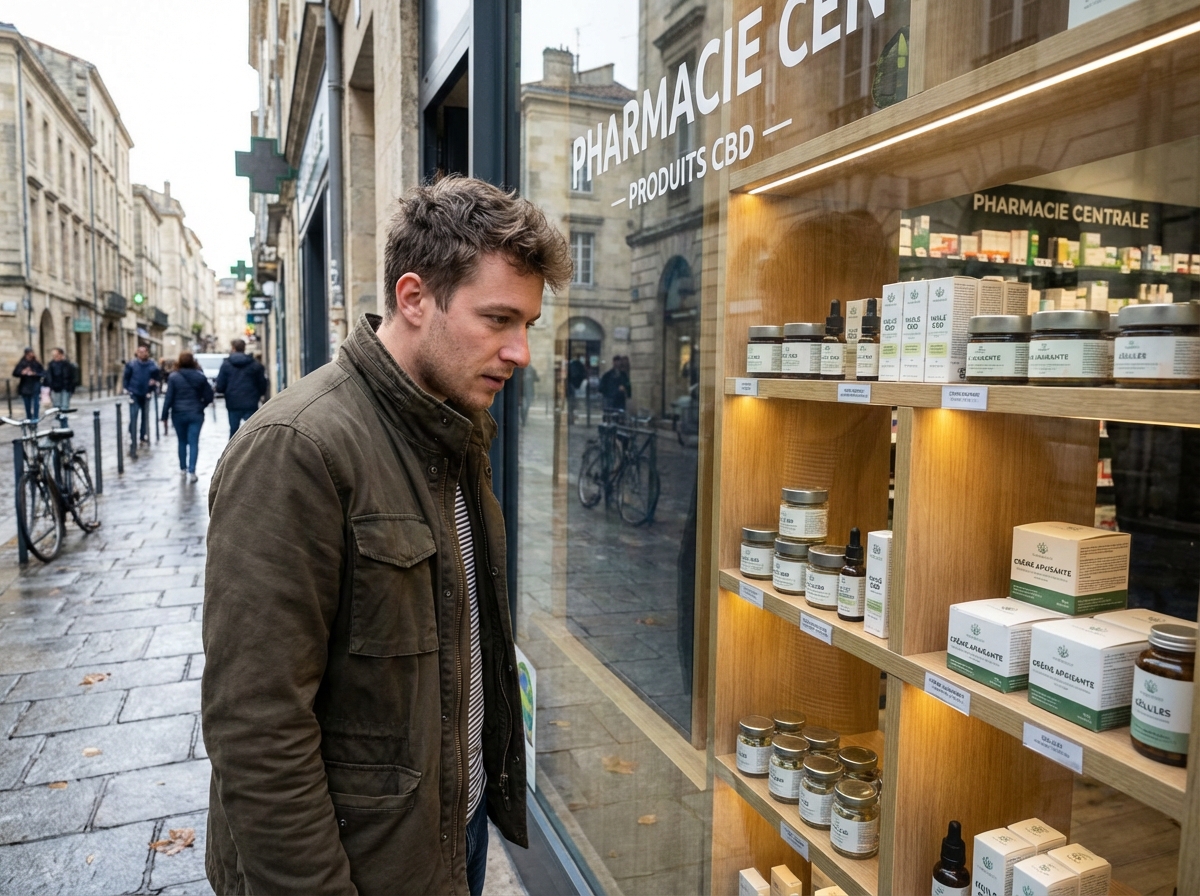
If you are undergoing treatment or have a specific medical background, seeking the advice of a health professional remains a wise precaution. The endocannabinoid system does not react the same way in everyone. Adverse effects are rare, but they do exist, especially in cases of drug interactions. Turning to a pharmacy or a distributor complying with legislation provides an additional guarantee.
An attentive consumer does not overlook the ingredient list, the CBD concentration, or the absence of unnecessary additives. A well-designed oil, compliant with standards, promises a serene use, true to what the regulations allow.
Ultimately, choosing a CBD product in France means navigating between vigilance and informed curiosity. The future of the sector will not be determined by promises, but by the ability to inspire trust and transparency. The consumer no longer settles for a simple bottle: they expect proof, guarantees, and consistency between claims and the reality of the market.