In 2026, some brands impose mandatory software updates on their connected sports equipment, sometimes limiting access to essential features. Certification standards are evolving faster than product ranges, rendering some accessories purchased less than a year ago obsolete.
Compatibility between accessories from different brands is not subject to any global agreement, despite announced attempts at standardization for several years. Consumers must navigate technical choices and a rapidly changing market, where innovations and regulatory constraints intertwine.
What criteria should be prioritized when choosing suitable sports equipment in 2026?
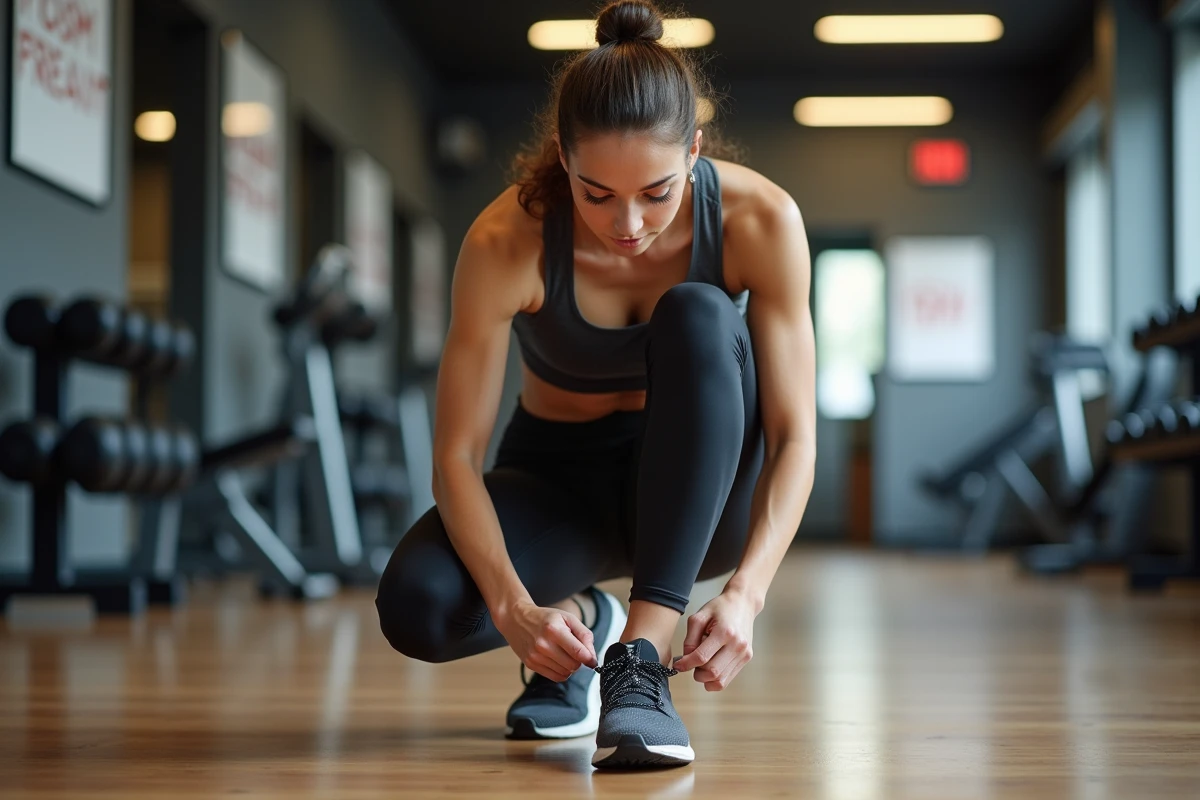
To find the right equipment and aim for optimized sports performance, it is no longer enough to be seduced by a logo or appearance. The times demand more: a rigorous examination of technical specifications, attention to compatibility with the connected universe, and a faithful adaptation to each individual’s morphology. Whether for running, weight training, or fitness, the choice of equipment must align with the reality of the field: an unsuitable shoe jeopardizes not only results but also physical integrity.
Comfort, targeted support, increased breathability of textiles, combined with next-generation materials and embedded technologies, are now the true indicators of relevance. The right accessory meets the concrete expectations of the athlete, whether for cushioning, stability, or shock reduction. Ergonomics remains the priority, even if connected features, sensors, and tracking applications emerge as valuable allies for adjusting each training session and limiting injury risks.
Visiting reference platforms such as Format Sport allows for cross-referencing genuine expert analyses and user reviews to obtain a reliable and detailed overview of each piece of equipment. Seasoned athletes proceed step by step: assessing their physical condition, determining progression goals, and considering the specifics of their discipline. Testing equipment in conditions close to reality and consulting independent professionals makes all the difference. The right choice is one that combines efficiency, comfort, and safety, to support each session, every challenge, and every new ambition.
The technological innovations transforming sports accessories this year
The world of sports equipment is undergoing a major transformation. Thanks to the rise of connected objects, standards are evolving at an unprecedented speed, both for running and for compact exercise bikes. Major brands are betting on textiles capable of instantly measuring heart rate, body temperature, or muscle recovery. All this data, accessible via an app, allows for a physical preparation tailored to each individual’s needs.
Smart insoles with integrated sensors, paired with suitable shoes, illustrate this new dynamic: they provide detailed feedback on stride, weight distribution, or fatigue accumulated during cardio training sessions. The elliptical bike, a popular tool for winter or for enhancing cardio, now offers electronic resistance capable of simulating terrain demands, even without leaving home.
Here are some innovations that mark the season:
- Heating accessories: gloves, jackets, insoles, particularly sought after for training in cold weather in France and Europe.
- Recovery modules: massage guns or compression boots, which accelerate muscle regeneration after exertion.
- Biometric sensors: found in watches or bracelets, they allow for sleep quality analysis and adjustment of session intensity.
The equipment of the informed athlete is now synonymous with adaptability and precision, supported by genuine expert advice. Technological advancements aim not only to enhance performance but also to strengthen prevention and comfort, redefining contemporary sports practice.
Maintaining and using your equipment: best practices for sustainable performance
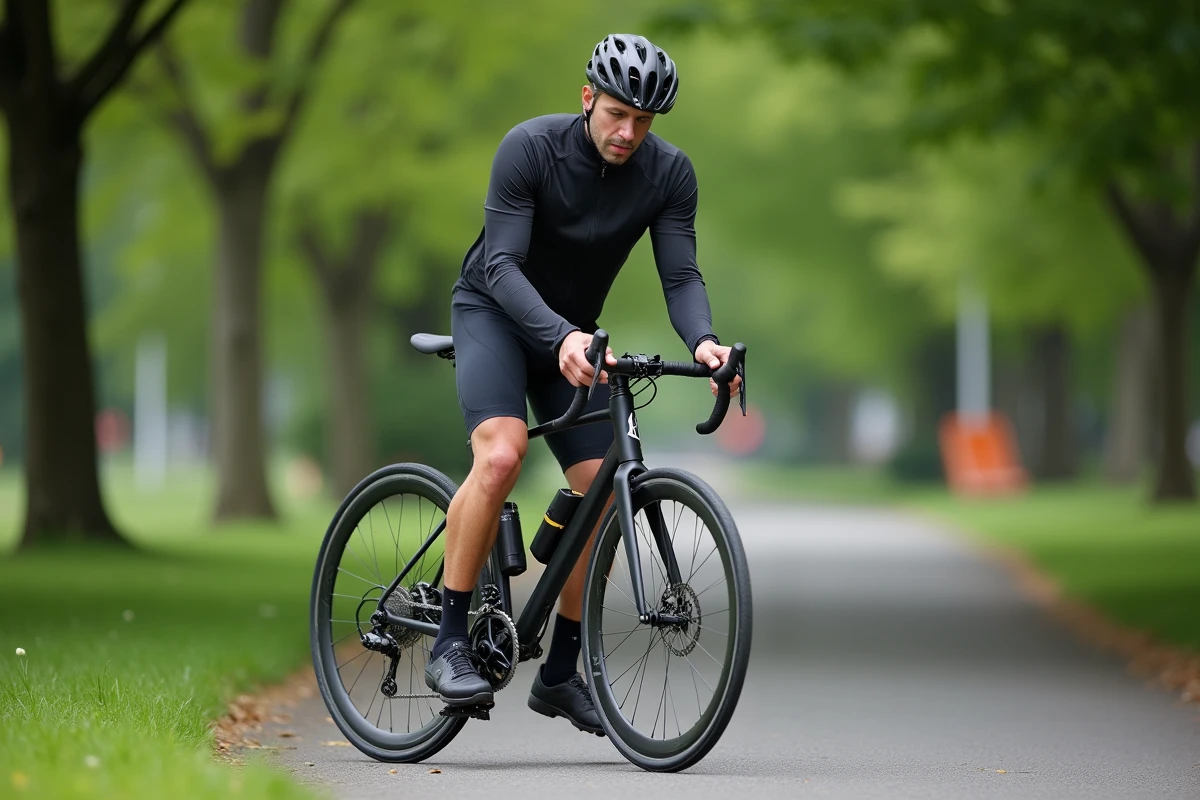
The longevity of a sports accessory depends as much on the initial selection as on regular maintenance practices. Even the best equipment quickly loses its qualities if neglected. Those who run, practice weight training, or fitness notice a real performance gain by applying a few simple but regular routines.
Here are some useful habits to preserve your accessories:
- For a pair of running shoes, clean the sole after each outing, let them air dry, and monitor the wear of the foam or studs.
- Weight training or fitness equipment requires constant dusting, checking of fittings, and storage away from moisture.
- Technical clothing, often used for running or intense training, requires gentle washing at low temperatures and without fabric softener, to maintain all their breathable properties.
Use each accessory according to its intended purpose: a pair of shoes designed for asphalt will not last long on rocky trails. Remember to rotate your equipment, especially in running, to avoid deformation and prolong their lifespan.
Taking the time to consult the manuals or recommendations from manufacturers for each accessory allows you to benefit from precise advice, synonymous with safety and durability. The result: an effective investment, and the assurance of reliable equipment for each session.
At the starting line as well as in training, the choice and maintenance of equipment weigh heavily in the balance. It remains for each individual to build their arsenal, piece by piece, so that every effort counts and each session opens new perspectives.