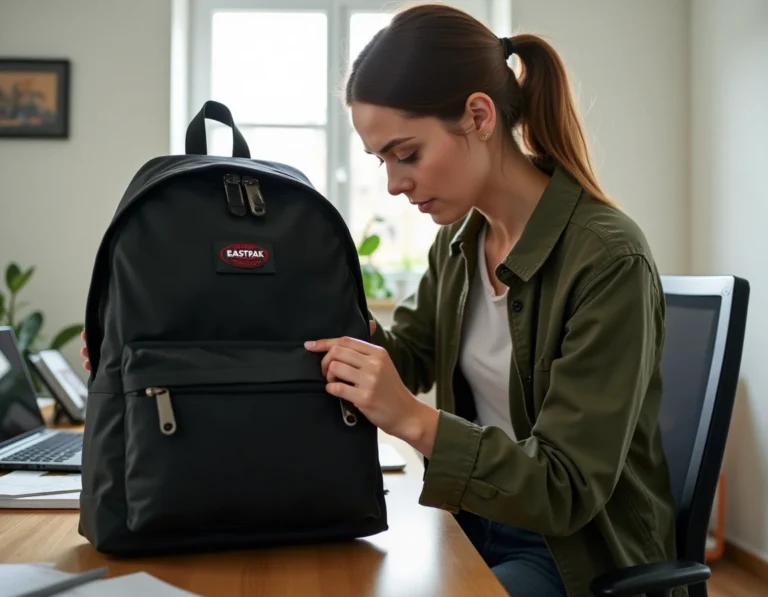
In everyday life, we often encounter small inconveniences related to our clothing. Among these, a stubborn heat transfer label can be particularly bothersome. Whether it’s because you no longer like the design, because the garment doesn’t belong to you, or simply because you want to give it a new look, knowing how to remove a heat transfer label can be extremely useful. With this in mind, some practical tips will be shared to help you effectively get rid of your heat transfer labels without damaging your clothes.
Heat Transfer Labels on Clothing: A Persistent Problem
When faced with a stubborn heat transfer label on our clothing, the first question that arises is obviously: how to remove a heat transfer label from fabric? This problem may seem tricky, but there are simple and effective solutions to remedy it.
The traditional methods are often the first ones we think of. You can start by gently trying to peel off the heat transfer label by scraping it with your nails or using a thin spatula. This method can be tedious and may risk damaging the fabric if not executed properly.
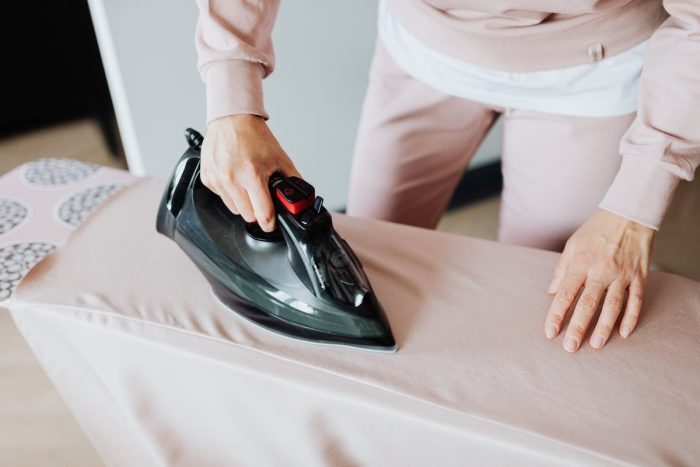
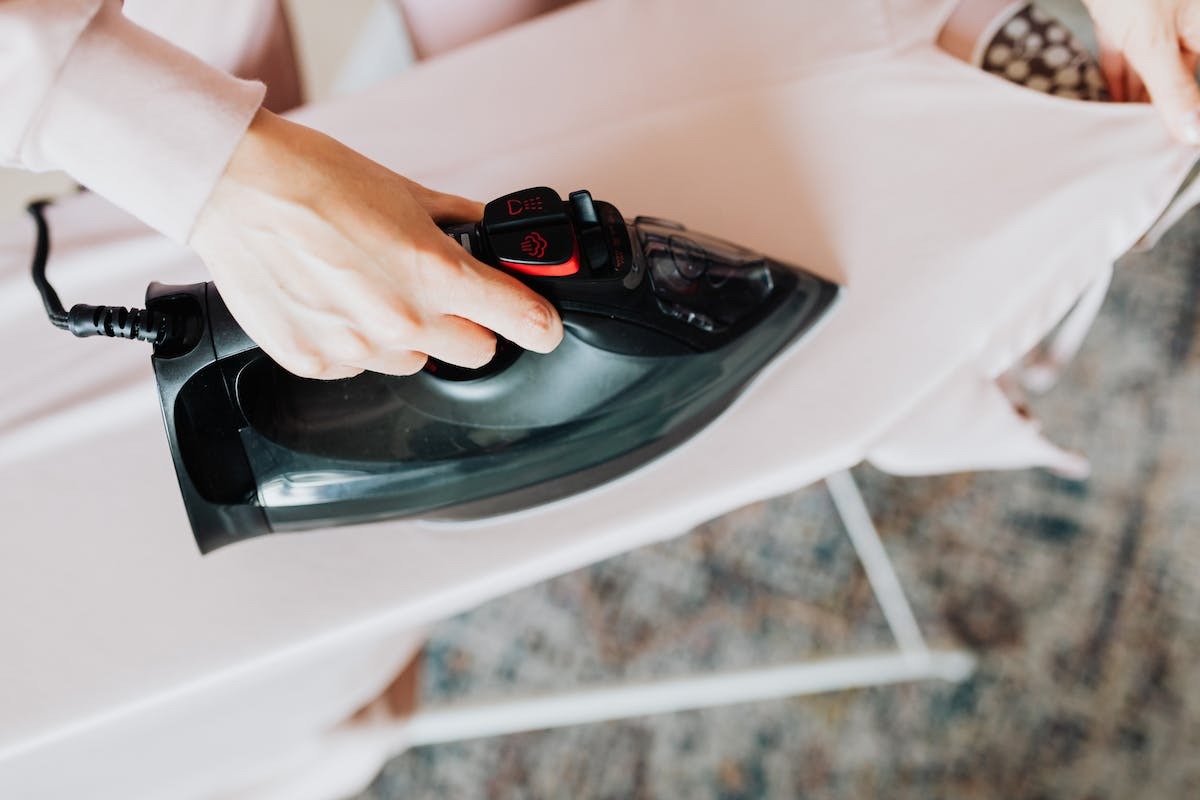
Fortunately, there are also natural products that can help us in this situation. For example, using a iron set to a low temperature can soften the heat transfer label and make it easier to remove. Simply place a piece of parchment paper between the iron and the garment to avoid any direct contact with the heat.
Some common products that we already have at home can be very useful for removing stubborn heat transfer labels. White vinegar mixed with hot water can be applied directly to the affected area before being gently rubbed with a clean toothbrush. 90° alcohol or acetone can also be used by lightly dabbing the affected surface.
For those looking for lesser-known but effective tips to remove a heat transfer label without damaging the garment, you can consider using a hairdryer. By gently heating the area of the heat transfer label, it can peel off more easily.
You must take certain precautions when removing a heat transfer label to best preserve your garment. You should act delicately and patiently to avoid any irreparable damage.
Removing a heat transfer label from a garment may seem like a difficult problem to solve. With a few simple tips and common products that we already have at home, it becomes much more accessible. Whether using traditional methods or opting for lesser-known natural solutions, it is entirely possible to remove a heat transfer label without damaging the fabric.
Classic Methods for Removing a Heat Transfer Label
When faced with a stubborn heat transfer label on our clothing, we need to use traditional methods to remedy the situation. These tips, passed down from generation to generation, can prove effective in the quest for perfect removal without damaging the fabric.
The first method involves gently scraping the heat transfer label with our nails or a thin spatula. However, this approach requires great patience and skill to avoid damaging the textile.
For those who prefer gentler solutions, some natural products can be valuable allies in this battle against the stubborn heat transfer label. By using a iron set to a low temperature and placing a piece of parchment paper between it and the garment, it is possible to soften the heat transfer label and facilitate its removal.
It is also interesting to explore our pantry for miracle ingredients. White vinegar mixed with hot water can be applied directly to the affected area before being gently rubbed with a clean toothbrush. 90° alcohol or even acetone can also be used by lightly dabbing the surface affected by the unwanted heat transfer label.
But why not think outside the box? A little-known but remarkably effective tip is simply to use a hairdryer! By gently heating the area of the heat transfer label, it can peel off more easily and without a trace.
Of course, precautions must be taken when removing a heat transfer label to avoid irreparably damaging our garment. Patience and delicacy are the keywords to successfully complete this mission.
Removing a heat transfer label from a garment may seem like a complex problem to solve. With a few traditional tips or the wise use of common natural products such as white vinegar or 90° alcohol, it is entirely possible to overcome the stubborn heat transfer label without damaging the textile.
Natural Products: Effective Alternatives
When confronted with a stubborn heat transfer label on our precious clothing, it is best to explore the treasures of nature to find effective solutions. Indeed, some natural products can prove to be true allies in our quest for perfect removal without compromising the integrity of the fabric.
Among these miracle products is lemon. This acidic fruit has dissolving properties that can help eliminate stubborn residues from the heat transfer label. To do this, simply squeeze a few drops of lemon juice directly onto the affected area and gently rub with a soft cloth. Its slightly abrasive action will gradually eliminate the heat transfer label without altering the fabric.
Another powerful natural ingredient is eucalyptus essential oil. This aromatic essence, renowned for its antiseptic properties, can also tackle the problem of the stubborn heat transfer label. Simply soak a cotton swab in it and gently rub it over the affected surface in soft but firmly pressed circular motions. The combined action of its invigorating scent and its softening properties will greatly facilitate the removal process.
For those looking for a more unusual solution, let’s think about baking soda! This white powder with multiple uses also has magical powers for removing a heat transfer label. Simply mix a small amount of baking soda with white vinegar to obtain a slightly abrasive paste. Apply this mixture to the affected area by gently rubbing with a clean, damp toothbrush. The combined cleaning properties of these two natural ingredients should tackle the stubborn residues of the heat transfer label.
Let’s not forget the incredible power of black soap! This natural ingredient, used for centuries for its disinfecting and degreasing virtues, can also prove to be our ally in the fight against the unwanted heat transfer label. To use it effectively, simply apply a few drops of black soap directly onto the affected area and gently rub with a clean cloth until the heat transfer label gradually detaches.
Remember to always conduct a test on a small hidden part of the garment before using any natural product to remove a heat transfer label to avoid any risk of alteration or discoloration.
By exploring the riches that nature offers us and using products such as lemon, eucalyptus essential oil, baking soda, or black soap, we can say goodbye to the troubles caused by stubborn heat transfer labels without compromising the beauty and integrity of our beloved garments.
Little-Known Tips for Removing a Heat Transfer Label
When it comes to removing a heat transfer label, there are a few lesser-known tips that can work wonders. In addition to the traditional methods such as the iron and parchment paper, here are some alternative suggestions to help you eliminate these stubborn adhesives without compromising the quality of your clothing.
Let’s talk about the magical power of white vinegar. This odorless liquid is a versatile ingredient that can be used in many household areas. To remove a heat transfer label, soak a clean sponge with white vinegar and gently dab the affected area. Let it sit for a few minutes before gently rubbing with a soft brush. The vinegar will gradually dissolve the adhesive without damaging the fabric fibers.
Another surprising tip is to use a hairdryer to gently heat the heat transfer label.
Removing the Heat Transfer Label: Essential Precautions
When deciding to remove a heat transfer label, certain precautions must be taken to avoid damaging the garment. Here are some tips to follow carefully:
Before even starting the process of removing the heat transfer label, make sure to read the instructions on the garment’s label. Some delicate fabrics may require specific methods or special attention.
Always protect the surface of the garment around the heat transfer label. You can use a clean piece of fabric or a cotton towel to create a protective barrier between the iron and the rest of the fabric. This will help avoid any discoloration or accidental burns.
Set your iron to the appropriate temperature based on the type of material. Different textiles have varying melting points, and applying too much heat can irreparably damage your clothing.
It is also recommended to use a circular motion when using the iron so that the heat is evenly distributed over the entire heat transfer label. This makes it easier to remove without causing any damage to the underlying fabric.
If you opt to use a hairdryer, always keep it at a reasonable distance (about 10 cm) so that the heat is not excessively concentrated on a specific area. This way, you will avoid potential risks related to burns or discoloration.
Be cautious and patient. Do not rush when removing the heat transfer label. If you find that the adhesive does not detach easily, do not hesitate to repeat the process using alternative and gentle methods until the heat transfer label is completely removed.
By following these simple but essential precautions, you will be able to remove a heat transfer label without damaging your favorite garment. Take your time and handle with care to achieve the best possible results.
Removing a Heat Transfer Label Without Damaging Your Garment
You must emphasize that removing a heat transfer label from a garment requires a methodical and careful approach. By following the steps and recommendations presented earlier, you will maximize your chances of successfully completing this task without damaging your clothing.
You should remember that it is always best to act quickly when you notice the presence of an unwanted heat transfer label on your garment. The longer you wait, the more deeply the adhesive can penetrate the fabric fibers, making its removal more difficult.
If in doubt or if you do not feel comfortable with the process of removing the heat transfer label, you should consult a professional who knows how to handle the garment properly to avoid any potential damage.
Once the heat transfer label has been successfully removed, be sure to clean the treated area well to eliminate any sticky residue or possible traces. Then follow the manufacturer’s specific care instructions to ensure a long lifespan for your garment.
Removing a heat transfer label from a garment may seem like a delicate operation, but it is achievable if you carefully follow the appropriate advice. With patience and method, you will be able to restore the beauty and elegance of the clothing pieces that were previously marred by the annoying presence of adhesives.