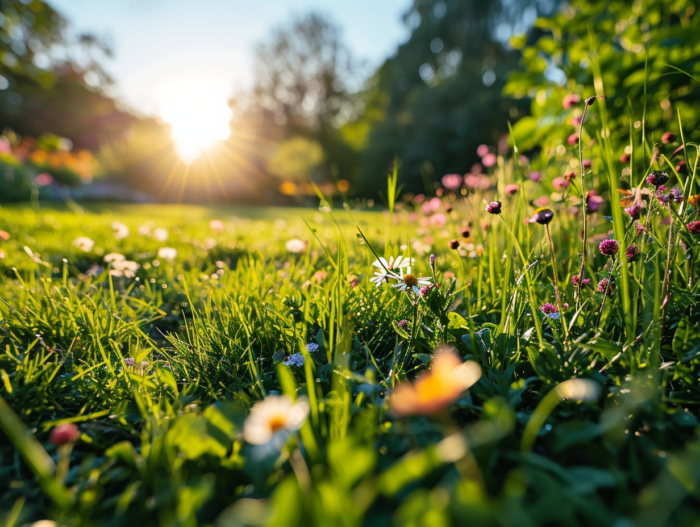
Adopting a less frequent mowing approach can lead to healthier grass and a more sustainable garden. This practice encourages the development of deep roots, essential for a resilient and lush lawn. It allows the grasses to reach an optimal height for photosynthesis, thereby enhancing their vigor. Biodiversity also benefits from this rhythm, as species like pollinators find refuge in the longer blades. Strategies such as adjusting the cutting height and choosing suitable grass species are key to successfully transitioning to spaced mowing.
The Benefits of Spacing Mows for a More Robust Lawn
Spacing out mows is not a trivial act; it is a commitment to a robust lawn and a healthy turf. The frequency of mowing affects the health of the grass, as it conditions the grasses’ ability to absorb the nutrients and water essential for their growth. Less frequent mowing allows the grass to develop deeper roots, thereby enhancing its resilience to environmental stresses. Moreover, this practice contributes to an ecological balance, as birds, insects, and pollinators benefit from a more diverse and rich habitat.
Beyond pure gardening considerations, the question of gasoline mowers and energy efficiency deserves attention. Gasoline mowers, while effective, are often criticized for their energy consumption and polluting emissions. In contrast, choosing spaced mowing reduces reliance on these machines and promotes a more environmentally friendly approach. Adopting alternative practices, such as using manual or electric mowers, can fit into a broader effort to reduce the carbon footprint of gardening.
Seasonality also influences the frequency of mowing. For example, mowing in summer may require a higher frequency due to the accelerated growth of the grass. Adjusting the mowing rhythm according to the season helps maintain optimal lawn health. NPK nutrients, vital for the lawn, are better utilized when the grass is not cut as often. Preserving an adequate length of the lawn supports both biodiversity and optimizes the use of essential nutrients while questioning our dependence on energy-consuming equipment.
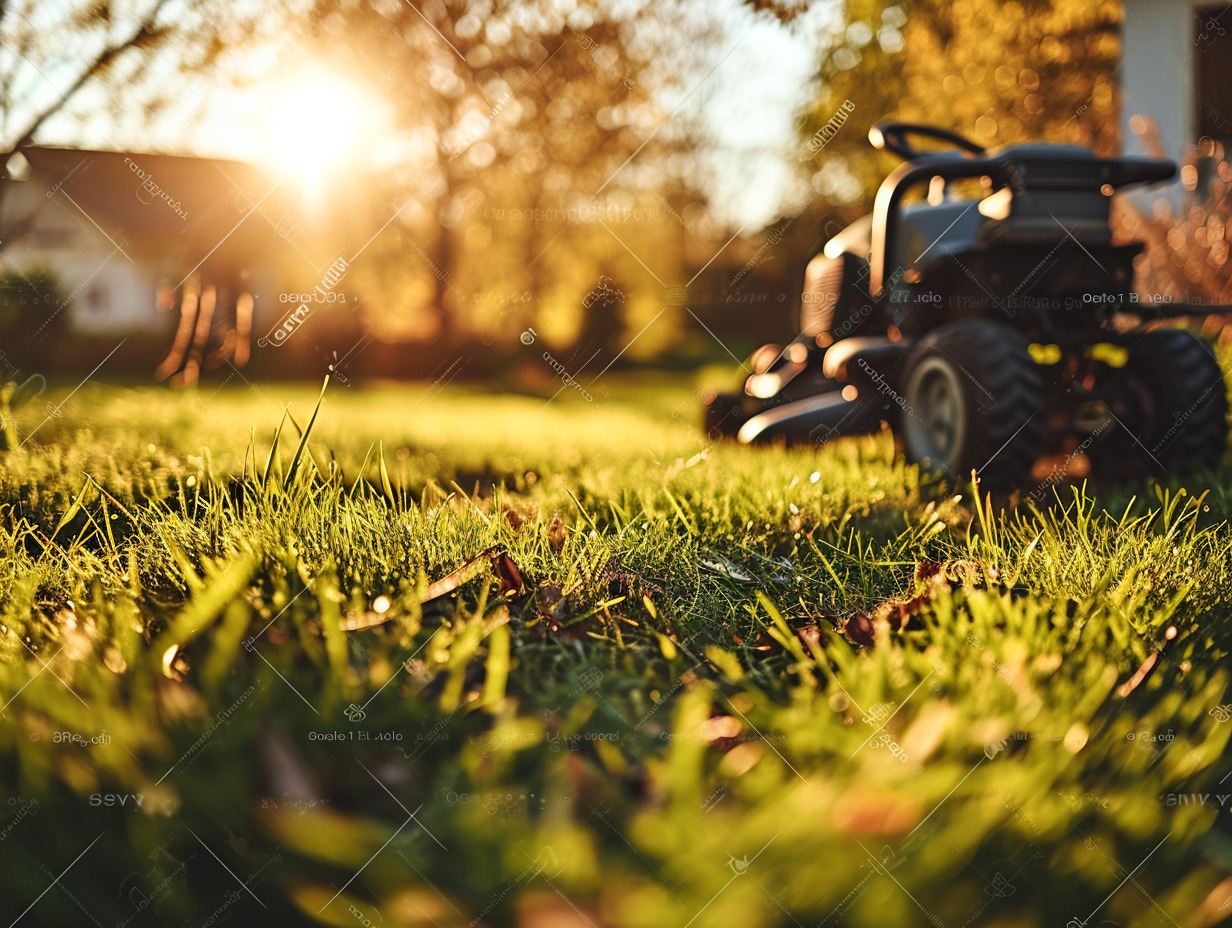
Techniques and Tips for Maintaining a Healthy Lawn by Mowing Less
The cutting height proves to be crucial in maintaining a healthy lawn. The usual recommendation, between 3 and 5 cm, allows the turf to remain dense and capable of preventing weed proliferation. By adjusting the cutting height according to the temperature and the grass’s stage of development, sufficient sun exposure and better resistance to water stress are ensured.
Regular lawn maintenance, without necessarily resorting to mowing, includes manual weeding and the application of specific fertilizers for grass. These practices nourish the lawn and eliminate unwanted competitors while preserving the garden’s ecosystem. Scarification, on the other hand, promotes soil aeration and effectively combats moss, ensuring better resource absorption by the grass.
Innovation in gardening tools brings a range of solutions. For example, the Miimo robot mower follows a logical mowing pattern that minimizes impact on the lawn while ensuring a uniform result. Such technologies allow for more precise mowing management and fit into a dynamic of reducing overall mowing frequency.
Differentiated mowing, recommended by experts such as Éric Lenoir and applied by administrations like the City of Montreal, involves adapting the height and frequency of mowing to different areas of the garden. This strategy creates zones of biodiversity and spaces with varied uses while maintaining a healthy and aesthetically pleasing lawn. Reflecting on the diversity of grasses composing the lawn and using seeds suited to local conditions can also enhance the vigor of the turf without requiring frequent mowing.