The constant evolution of technology offers countless possibilities to improve the quality of life for seniors. Particularly in the field of health, these advancements represent considerable potential for medical monitoring, medication management, and even support for autonomy. From mobile applications to telemonitoring devices, as well as wearable gadgets that monitor vital signs, technology is positioning itself as a valuable ally for the elderly. It promises not only to extend their independence but also to enhance communication with healthcare professionals and loved ones, thus ensuring better overall care for their health.
Impact of Technology on Seniors’ Autonomy and Quality of Life
Home automation, or the integration of advanced technologies within the home, is transforming the daily lives of seniors. From smart security systems to automated comfort solutions, home automation allows elderly individuals to maintain their autonomy and prolong their ability to live independently at home. Seniors, as active participants in their own lives, use these technologies to prevent loss of autonomy and secure their environment. Adapting the home through home automation is part of a proactive approach to aging in place, reducing the need to resort to facilities like nursing homes.
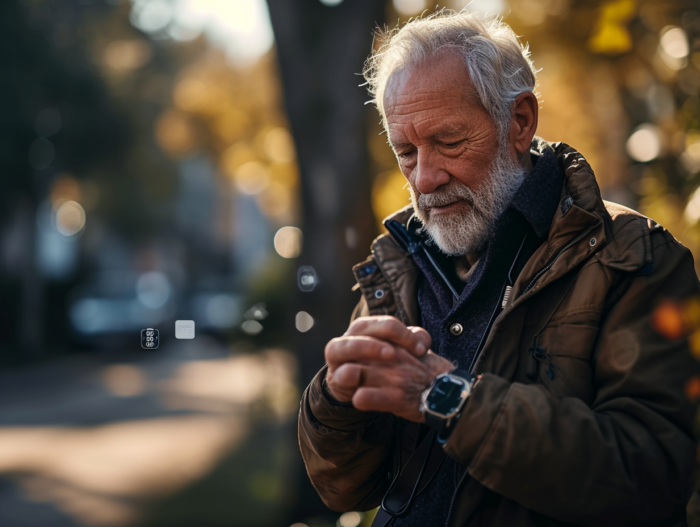
Connected objects are also favored by seniors for their ability to provide medical monitoring services and maintain mobility. Activity tracking bracelets, fall sensors, and personalized voice assistance devices integrate into the ecosystem of Espace Senior, where technology and health meet. These gadgets, far from being mere accessories, have become essential tools for seniors wishing to take charge of their health and well-being on a daily basis.
Seniors’ services are being reinvented through technology, offering tailored solutions for home adaptation. The installation of automated systems for controlling lighting, temperature, and even managing household appliances makes life easier for elderly individuals. These services, combined with remote assistance and exchange and advisory platforms, strengthen social connections and security for seniors, while addressing their specific needs. The integration of these technologies thus allows for the redefinition of a society where the quality of life for seniors is a central concern.
Integration and Technological Training for Seniors: Challenges and Solutions
The issue of digital inclusion for seniors is pressing in a society where digital technology plays a central role. The challenge lies in supporting this population towards a sufficient mastery of digital tools to ensure their autonomy and social participation. The digital divide, which heavily impacts seniors, calls for training solutions tailored to their pace and specific needs.
Dedicated training programs are emerging, aimed at familiarizing seniors with information and communication technologies. These initiatives, driven by both public and private actors, seek to make the use of the Internet and digital services more accessible. Consider training programs ranging from introductory smartphone use to safe Internet navigation, as well as the use of applications dedicated to health and well-being.
At the heart of digital integration is the development of the silver economy, a rapidly growing sector that offers products and services meeting the expectations of seniors. The impact of these services is amplified when associated with awareness and training programs on the use of new technologies. Acknowledge the importance of human support in the technological learning process, thus ensuring the adoption and effectiveness of digital tools.
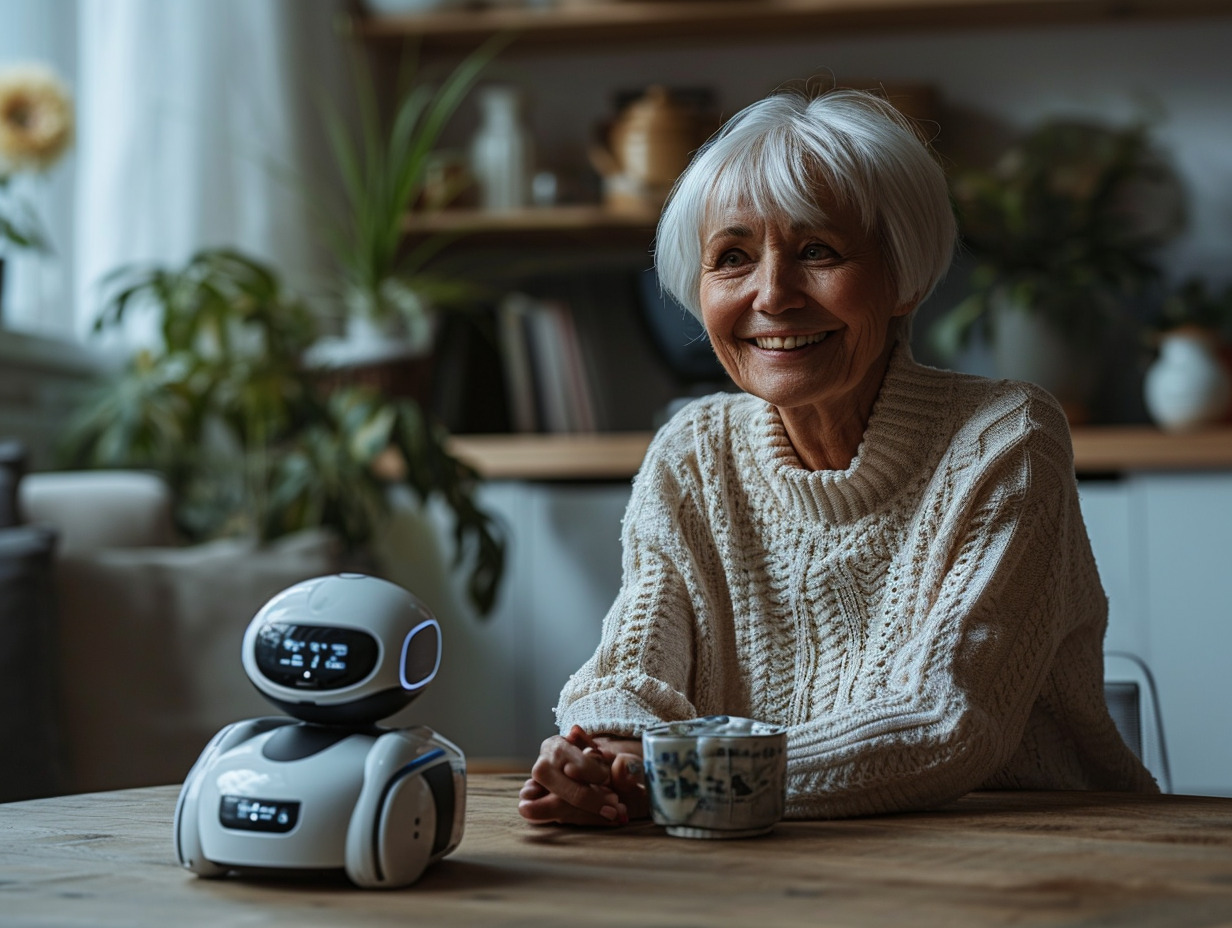
It is important to mention the potential role of artificial intelligence in supporting seniors. Innovative solutions, such as virtual assistants and telemonitoring medical platforms, are being developed to support seniors’ autonomy. The integration of these advanced technologies cannot occur without adequate training, allowing seniors to use them with confidence and security. Technology, far from creating a barrier, should become a bridge to a more autonomous and integrated life for seniors.